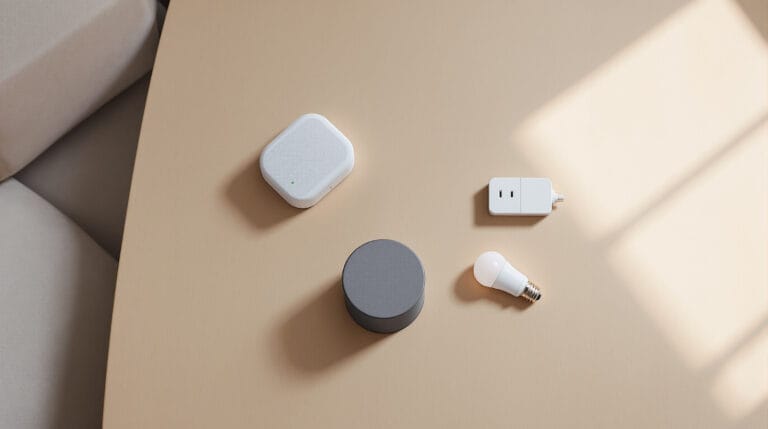
Remember when home security meant a basic alarm and maybe a “Beware of Dog” sign? Those days are long gone. Today’s Alexa-compatible security systems have completely revolutionized how we protect our homes, offering intelligent, voice-controlled protection that works seamlessly with your existing smart home setup. Whether you’re renting a cozy downtown apartment or owning a sprawling suburban home, these systems adapt to your specific needs while providing that essential peace of mind we all crave.
The best part about today’s security systems is how they just blend into your daily routine. Picture this: you walk in with your hands full of groceries and just say, “Alexa, disarm security”—no more juggling bags and keypads. Or you’re making dinner and want to see who’s at the door, so you just ask Alexa without missing a beat. That kind of convenience is exactly why Alexa-compatible systems are everywhere in 2025.
Why Choose An Alexa-Compatible Security System?
Let’s be honest: old-school security systems were clunky and confusing. Alexa changes that by letting you control everything with your voice. It’s not just easier—it actually makes you want to use your security system. Wondering if you set the alarm before bed? Just ask Alexa. Want to check who stopped by while you were out? One quick voice command and you’re set.
If you rent, these systems are a lifesaver. You don’t need to drill holes or ask your landlord for permission. When it’s time to move, just pack up your security gear and take it with you. Homeowners get the perks too: strong protection without the headache of complicated setups.
Voice control makes security easier for everyone, especially if you have mobility issues or just don’t want to mess with tiny buttons. Instead of fiddling with complicated controls, you just tell Alexa what you need. It’s a simple upgrade that makes staying safe more accessible for all.
Must-Have Features In 2025
Home security has gotten a major upgrade with Matter and Thread. These new standards mean your devices actually talk to each other, even if they’re from different brands. No more piecing together random gadgets or dealing with compatibility headaches—just one system that works together smoothly.
When shopping for an Alexa-compatible system in 2025, look for complete Matter certification. This ensures your devices will communicate effectively not just with Alexa but with other smart home platforms you might add in the future. Thread support provides the reliable, low-power mesh networking that keeps your security devices connected even if your main WiFi experiences issues—a crucial backup for critical security functions.
Cameras have come a long way. Now, you get sharp 2K or 4K video—no more blurry mystery blobs. Color night vision means you can actually see what’s happening after dark, and smart motion detection can tell the difference between your dog, a delivery, or a person. That means fewer annoying false alarms and more useful alerts.
Having options for storing your footage is a must. The best systems let you choose between cloud storage (for safe, off-site backups) and local storage (like microSD cards or a base station) so you’re covered even if your internet goes out. Some even switch between the two automatically, so you don’t have to think about it.
Advanced Features Worth Considering
Some systems now use facial recognition to tell you exactly who’s coming and going. For example, Google Nest can spot familiar faces if you have a Nest Aware subscription, and some Eufy cameras handle face recognition right on the device. Ring and SimpliSafe don’t offer this yet. Instead of a vague “Person detected” alert, you might get “Emily arrived home.” Some systems even recognize who’s talking to Alexa and adjust access based on who’s asking.
Many security systems now double as environmental monitors. They’ll alert you to smoke, carbon monoxide, water leaks, or even big temperature swings. Some even keep tabs on your air quality, so you’re covered for more than just break-ins.
Best Alexa-Compatible Security Systems (2025 Picks)
Ring Alarm Security System continues its market dominance in 2025, and for good reason. Amazon’s consistent development has created an ecosystem that works flawlessly with Alexa. The standout feature remains its balance of simplicity and effectiveness—installation typically takes under an hour without professional help. The modular approach lets you start small with a basic door/window sensor package and expand as needed, perfect for those who want to build their system gradually. Check out the Ring Alarm Wireless Smart Home Security System on Amazon.
Recent updates include enhanced privacy controls (e.g. Ring’s Privacy “Control Center”, end-to-end encryption) and local video processing/storage options (via Ring Edge on Alarm Pro, with microSD), which let users keep more of their data on-device rather than always in the cloud — provided they have the required hardware and subscription. Ring’s professional monitoring remains competitively priced at around $20 monthly with no long-term contracts, though self-monitoring options are available for the budget-conscious. The system particularly shines in its integration with other Ring products like doorbells and outdoor lighting, creating a comprehensive security ecosystem.
Arlo Smart Security Cameras have established themselves as the gold standard for visual monitoring. Their weatherproof designs withstand everything from desert heat to winter storms, while advanced optics deliver crisp, detailed images day and night. What truly sets Arlo apart is their sophisticated detection algorithms that significantly reduce false alerts—no more notifications because a branch moved in the breeze.
Arlo now offers more flexible subscription options, including a free tier with live streaming and basic alerts. If you want the fancy AI features, like spotting people or packages, you’ll need a paid plan. Battery life is better than ever—some cameras last up to six months on a charge, and solar panels make things even easier. You can pull up camera feeds on your Echo Show or get custom Alexa alerts when something happens.
SimpliSafe is a great pick if you’re new to home security. Their starter kits make it easy to get going, and you can still tweak things in the app. The voice PIN for Alexa is a smart touch, so you don’t have to worry about someone shouting “Alexa, disarm SimpliSafe” from outside.
SimpliSafe has expanded its smart home integration beyond basic security, now working seamlessly with popular smart locks, lighting systems, and climate controls. Their professional monitoring remains among the most affordable at $15–25 monthly depending on features selected. The system particularly appeals to those wanting comprehensive protection without technical complexity.
Eufy Security has carved out a dedicated following with its privacy-first approach. Unlike competitors that push cloud subscriptions, Eufy emphasizes local storage and processing. Their base stations include built-in storage that keeps footage private and accessible even without internet connectivity. This approach also eliminates monthly fees for most features, though optional cloud backup subscriptions are available. Setup is straightforward, and Alexa integration allows for easy voice control and viewing on Echo devices, making Eufy particularly attractive for long-term value seekers.
Setup & Customization Tips
Setting up your Alexa-compatible security system starts before you even purchase components. Walk through your home and identify vulnerable entry points—typically doors, first-floor windows, and any secluded areas that might attract unwanted attention. Create a simple floor plan marking these locations, then add interior spaces where motion detection would be valuable, like hallways that connect to multiple rooms.
When positioning cameras, consider both security and privacy needs. Outdoor cameras should cover entry points without extending too far into public spaces or neighboring properties. Inside, position cameras to capture main living areas while avoiding bathrooms and bedrooms where privacy expectations are higher. Most systems now include geo-fencing features that automatically disable indoor cameras when residents are home.
The magic of Alexa integration comes through custom routines that automate security functions. Create a “Leaving Home” routine that arms your system, turns on random lighting patterns, and adjusts thermostats all with a single command. A “Good Morning” routine could disarm the system, provide a security report from overnight, and show camera feeds from your property. These routines transform security from a standalone function into a seamless part of your daily life.
Advanced Automation Ideas
Take your security system further by creating conditional automations. For example, set your outdoor lights to activate only when motion is detected after sunset, or have Alexa announce “Front door opened” only when the system is armed. These context-aware features prevent alert fatigue while ensuring you’re informed about genuinely important events.
Many users overlook the power of Alexa Guard, which turns Echo devices into additional security sensors. When enabled, your Echo devices listen for sounds like breaking glass or smoke alarms and send alerts accordingly. This feature effectively extends your security system’s coverage without additional hardware costs, particularly valuable for monitoring spaces where dedicated sensors might be impractical.
Comparing Costs & Features
When evaluating systems, consider both upfront and ongoing costs. Initial hardware investments typically range from $200 for basic setups to $1,000+ for comprehensive coverage with multiple cameras. Most systems offer starter kits with core components, allowing expansion over time. This gradual approach helps manage initial costs while still providing essential protection from day one.
Monthly costs vary significantly based on monitoring approach. Self-monitoring through smartphone apps is often free or requires minimal subscription fees ($3-5 monthly) for extended video storage. Professional monitoring, where trained staff respond to alerts and can contact emergency services, typically costs $15-30 monthly. Among the systems highlighted here, Ring and SimpliSafe offer professional monitoring, while Arlo and Eufy focus on self-monitoring models. Many providers now offer hybrid options where you can temporarily activate professional monitoring during vacations or business trips.
Beyond the basics, evaluate each system’s smart home ecosystem compatibility. While all our recommended systems work with Alexa, their integration with other platforms like Google Home, Apple HomeKit, or Samsung SmartThings varies considerably. If you’ve already invested in other smart home products, choosing a security system that works seamlessly with your existing setup will provide the best experience.
Which Alexa-Compatible Security Systems Are Right For You?
For apartment dwellers and renters, prioritize systems with non-destructive installation and portable components. Ring and SimpliSafe excel here, offering peel-and-stick sensors and free-standing cameras that won’t damage walls or forfeit security deposits. Look for systems with cellular backup options to maintain protection even if building WiFi is unreliable.
Homeowners with larger properties should consider systems with expanded range capabilities and outdoor protection options. Arlo’s weather-resistant cameras and Ring’s comprehensive ecosystem provide the coverage needed for larger spaces. Consider systems that integrate with existing hardwired components if you’re upgrading from an older security setup.
Families with children might prioritize systems with specialized features like activity notifications when kids arrive home from school or interior cameras with privacy modes. SimpliSafe and Ring offer particularly strong monitoring features. Pet owners should look for systems with pet-immune motion sensors or AI detection that can distinguish between animal and human movement to prevent false alarms.
Next Up
👉 Want to transform your home into a smarter, safer space? Subscribe at the link below.