As we look toward the 2026 travel trends, the vibe is shifting from aesthetic chaos to calculated utility. We are seeing a surge in travelers who use data, biology, and technology to solve specific problems: burnout, heat exhaustion, and the crushing weight of cognitive overload. It’s no longer just about where you go; it’s about how the destination serves your physiology and your sanity.
We’ve parsed the major reports—from Amadeus to Globetrender—to separate the marketing fluff from the actionable shifts. Here is your guide to navigating travel in 2026 without losing your mind (or your luggage).
Why “One-Size-Fits-All” Tourism is Dead in 2026
The era of the packaged bus tour is effectively over. The modern traveller has realized that a generic itinerary usually results in generic disappointment. The biggest travel trend emerging now is the rejection of the cookie-cutter vacation in favor of hyper-personalized logistics.
This isn’t just about luxury; it’s about agency. According to data from recent industry surveys, travelers are increasingly willing to trade “must-see” landmarks for experiences that align with their specific niche interests, whether that’s mycology (mushroom hunting) or architectural brutalism. The one-size-fits-all approach ignores the reality that a Tuesday morning in Rome feels very different to a solo backpacker than it does to a family of five.
We are seeing this in the luxury travel trends for 2026, where high-end concierges are being replaced or augmented by AI that knows your sleep chronotype. If you hate mornings, your itinerary shouldn’t start at 6:00 AM. It’s common sense that is finally becoming common practice.
The Rise of “Hushpitality” and the Quest for Silence
Noise is the new second-hand smoke. As our daily lives become increasingly polluted with notifications, sirens, and open-plan office chatter, silence has become a premium commodity. Enter “hushpitality”—one of the most defining the 2026 travel trends.
This goes beyond a quiet hotel room. We are talking about destinations creating “silent zones,” hotels offering soundproofed recovery suites, and the rise of the silent retreat. Travel trends 2026 indicate that people are booking trips specifically to escape audio stimulation. If you can’t afford a week at a silent monastery in Kyoto, you can still engineer this yourself.
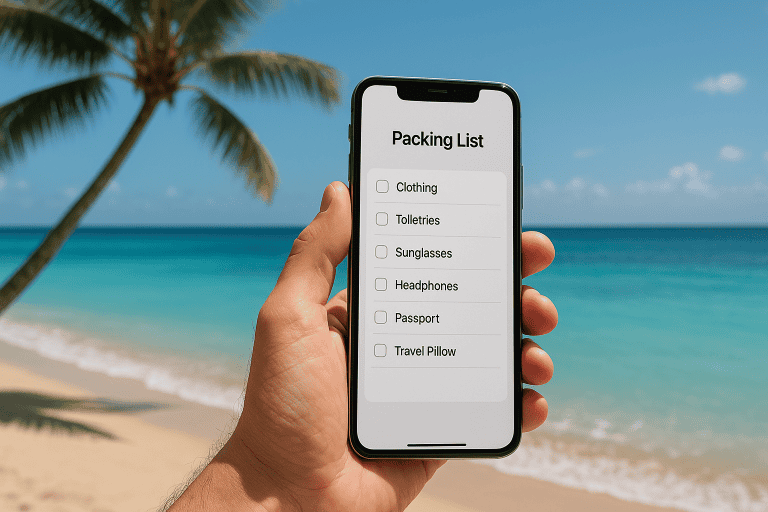
We never step on a plane without the Soundcore Space One headphones. While trends come and go, the utility of active noise cancellation in a metal tube screaming through the sky is perennial. Whether you are embracing the hushpitality trend or just trying to survive a flight next to a crying toddler, blocking out the auditory chaos is the first step to a smarter trip. We wrote a full review of these budget-friendly headphones here.
Set-Jetting Shifts from Instagram to Immersion
“Set-jetting”—traveling to a location because you saw it in a movie or TV show—isn’t new. We all remember the White Lotus effect on Sicily. However, the 2026 travel trends show this evolving into something deeper. It is moving from “I want a selfie where the actress stood” to “I want to understand the culture depicted on screen.”
This is closely tied to literary travel, where travelers seek a deeper context. It’s less about the visual backdrop and more about the narrative. Visitors are heading to the UK not just to see a castle, but to engage with the history found in period dramas. It’s a move toward the immersive.
Expedia and Skyscanner search data suggests that when a major show drops, searches for that destination spike instantly. But for 2026, smart travelers are looking for the “dupes”—destinations that offer the same cinematic vibe without the cinematic crowds. Instead of overcrowding Dubrovnik (King’s Landing), they are looking at similar coastal fortresses in Albania or Montenegro.
Bio-Hacking the Long-Haul: Health is the New Luxury Travel
Luxury travel used to mean gold taps and high thread counts. In 2026, luxury is defined by how you feel physically when you arrive. The concept of “wellness” has matured from a vague spa massage into hard data regarding longevity and recovery.
Travelers are actively trying to mitigate cognitive overload and physiological stress. We are seeing airport lounges offering red-light therapy and hotels providing hyper-baric oxygen chambers. But you don’t need a five-star budget to bio-hack your travel. It starts with managing your body’s chemistry.
For example, sleep disruption is the enemy of a good trip. Many savvy travelers are turning to supplementation to manage their circadian rhythms.
Cool-Cations and the Search for Temperate Hotspots
The planet is getting hotter, and sitting on a beach in 40°C (104°F) heat is no longer relaxing—it’s a health risk. One of the most pragmatic travel trends 2026 offers is the “cool-cation.”
Tourists are actively avoiding the equator during summer months. Instead of Southern Europe in July, they are looking North. The Faroe Islands, Scandinavia, and the cooler reaches of the Dolomites are becoming the new summer playgrounds. This shift is reshaping the annual travel trends calendar, extending the “shoulder season” into what used to be the off-season.
This is a data-driven decision. Travelers seek deeper comfort, and sweating through a t-shirt in five minutes isn’t it. Expect to see destinations offering “climate-resilient” tourism packages becoming the norm. If you are planning a trip for 2026, check the historical weather data before you book. The “hotspot” is literally becoming too hot.
Solo Travelers are Rewriting the Rules of Adventure
The stigma of eating alone is gone. Solo travelers are one of the fastest-growing demographics in the tourism sector. But unlike the backpacker stereotypes of the past, the 2026 solo traveler is often older, wealthier, and looking for autonomy rather than a hostel party.
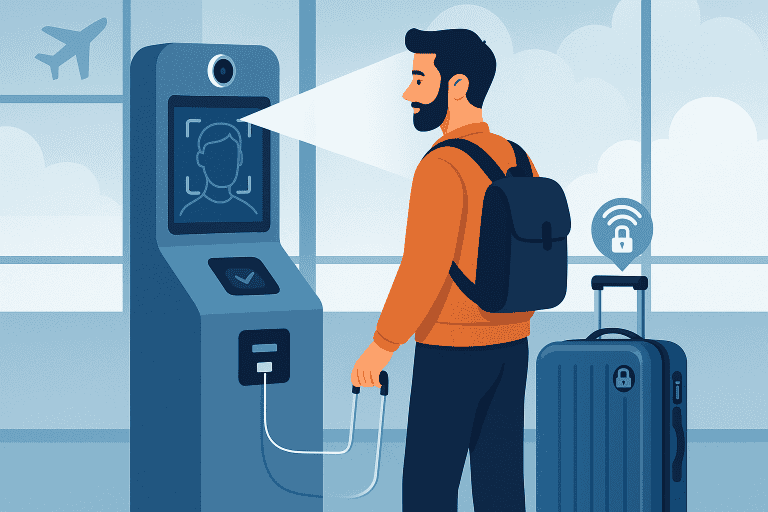
Safety and logistics are paramount here. This is where tech meets independence. We rely heavily on the Apple AirTag to keep track of checked bags when hopping between cities solo. Knowing exactly where your gear is—without relying on an airline’s vague promise—provides the peace of mind necessary to enjoy the solitude.
Tour operator data shows a rise in “solo-only” group trips—where you travel with a group but have your own room and autonomy. Companies like Contiki (historically for youth) are adapting, but high-end operators are leading the way with itineraries designed specifically for the independent wanderer.
How Generative AI and Tech Are Finally Useful
In 2025, AI in travel was a novelty toy. “Write me a poem about Paris,” we asked ChatGPT. In 2026, generative AI is the engine room of travel technology. It is no longer about writing cute captions; it’s about dynamic problem solving.
Amadeus, a giant in travel tech, notes that travelers want AI to handle the disruption, not just the inspiration. Imagine an agent that automatically rebooks your missed connection and updates your hotel transfer before you’ve even landed. That is the future of travel we are stepping into.
Booking.com and Expedia are integrating these tools to allow for complex queries like, “Find me a hotel in Tokyo near a park that is quiet, has a gym, and costs less than $200 a night,” yielding results that actually match the criteria. This reduces the planning friction and lets you focus on the trip itself.
The 2026 Travel Trends Report: Where Data Meets Discovery
When we look at the 2026 trends report landscape, a theme emerges: rediscover and recharge. The frenetic energy of post-pandemic travel has settled into a more mature rhythm. Whether it is a safari in Africa focused on conservation or a pilgrimage on the Camino de Santiago for mental clarity, the intent is deliberate.
Globetrender and other forecasting agencies highlight that we are moving toward a “value-driven” economy. This doesn’t just mean “cheap.” It means travelers want to know their money is buying a genuine experience, a strong sense of place, and legitimate relaxation. The travel outlook is positive, but it is demanding. The industry has to step up because the 2026 traveler is smarter, more skeptical, and armed with better data.
FAQ: Navigating the Travel Landscape of 2026
What is the biggest travel trend for 2025 leading into 2026?
The transition from “revenge travel” to “restorative travel.” We are seeing a growing trend of people prioritizing sleep and mental health over sightseeing. TikTok trends are even shifting from chaotic party montages to serene, quiet landscapes (often tagged as #softlife).
How is luxury travel trends for 2026 different from previous years?
Luxury travel trends for 2026 are less about gold-plated excess and more about exclusivity of access and privacy. Brands like Ritz-Carlton and HunterMoss are curating hyper-local experiences that money alone usually can’t buy, focusing on local experiences that feel unscripted.
Why Travel to the British Virgin Islands in 2026?
While not explicitly a budget destination, islands like the BVI are leaning into the adventure travel and stargazing trends. With low light pollution, they are capitalizing on the “dark sky” tourism movement, allowing visitors to experience the world without the glare of urbanization.
What does ‘transform’ mean in the context of 2026 travel?
To transform travel means to shift the metric of success from “distance traveled” to “benefit gained.” It’s about convenience and value. Savvy travelers are using air travel more strategically, combining business and leisure to justify the carbon footprint and cost. The year ahead will see more people taking fewer, but longer and more meaningful trips.
From cool-cations to dark skies, extended sabbaticals to literary-inspired adventures: what’s hot for 2025?
The latest trending data from OnePoll suggests that trends set to shape the market involve disconnecting. Travel continues to be a priority in the budget, but the spend is shifting toward Michelin-starred dining in remote locations or U.S. domestic trips that mimic international vibes to save on long-haul stress. The year-on-year growth of nature-based tourism confirms we just want to touch grass.
Is 2026 travel becoming more expensive?
According to Amadeus insights and industry pricing indices, travel costs are rising due to fuel and labor inflation. However, travel is becoming more modular. You can save on the flight to splurge on the travel experiences. The key is using trends 2026 data to book counter-cyclical trips (like the Dolomites in September rather than August) to find value.